




Table of Contents
Introduction
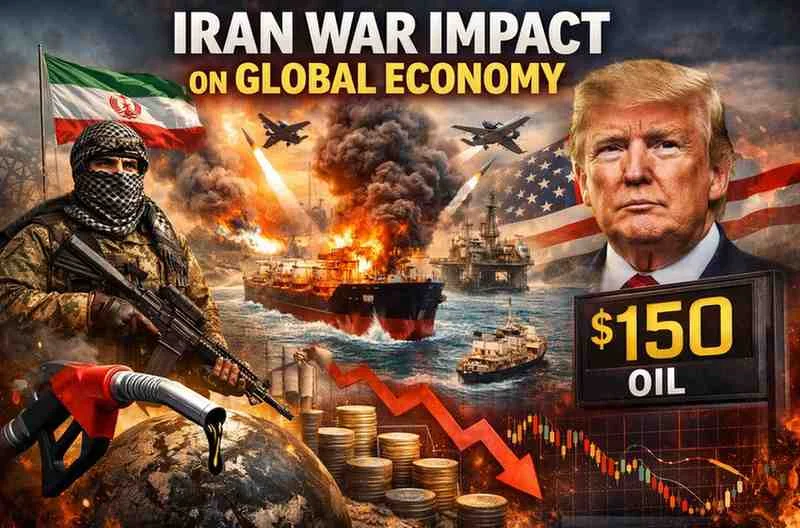
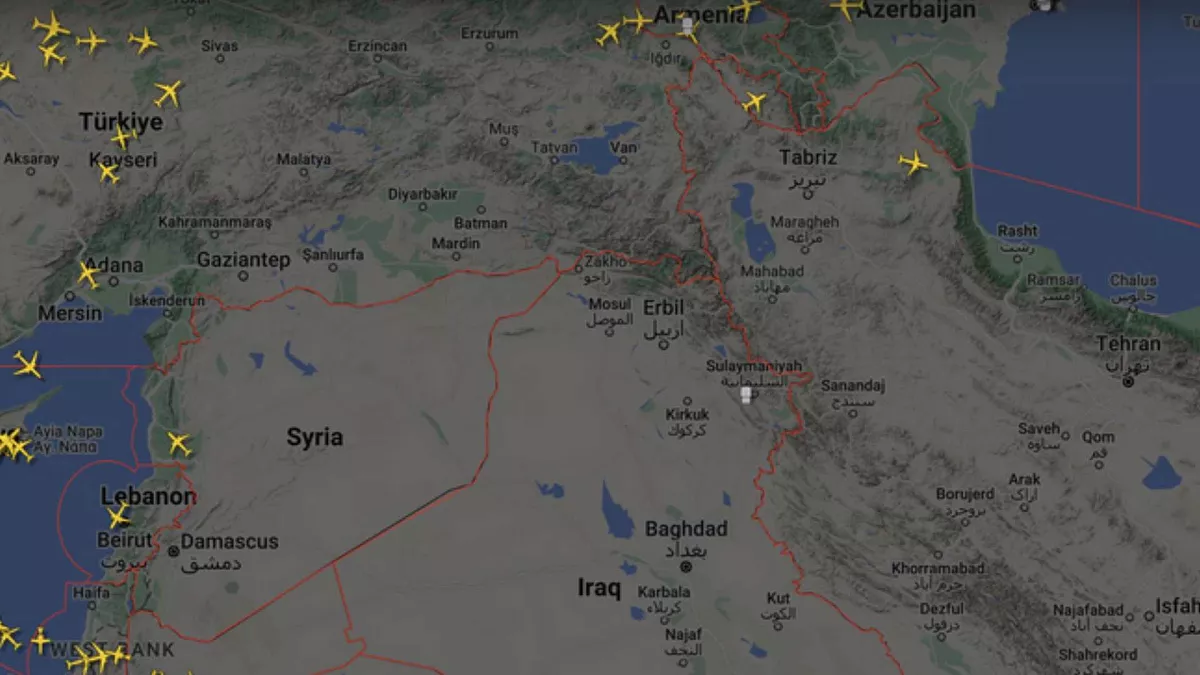
The war impact on fuel prices is one of the most discussed topics in today’s global economy. Whenever geopolitical tensions rise—especially in oil-producing regions—the effect is quickly seen in petrol and diesel prices worldwide. In 2026, increasing tensions between Israel and Iran have once again raised concerns about rising fuel costs.
For countries like India, which depend heavily on imported crude oil, even small disruptions can lead to noticeable price increases. Understanding the connection between war and fuel prices is essential for both consumers and businesses.
Understanding the War Impact on Fuel Prices
To understand the war impact on fuel prices, we need to look at how the global oil market works. Crude oil is the primary source for petrol and diesel, and a large portion of it is produced in the Middle East.
During a war:
- Oil production may decrease
- Supply chains get disrupted
- Export operations slow down
As a result, global oil prices rise. Even the possibility of conflict can create panic in the market, pushing prices higher due to uncertainty.
Key Reasons Why Fuel Prices Rise During War
1. Supply Disruptions
One of the biggest reasons behind the war impact on fuel prices is the disruption of oil supply. Conflicts between countries like Israel and Iran can affect oil production and exports.
2. Risk to Transportation
Oil is transported through critical shipping routes. During war situations:
- Tankers face security threats
- Insurance costs increase
- Delivery delays occur
These factors add extra costs, which are eventually passed on to consumers.
3. Market Speculation
Another important factor in the war impact on fuel prices is market behavior. Traders often increase prices in anticipation of future shortages, even before actual disruptions occur.
4. High Global Demand
With the global economy growing, energy demand is already high. When supply decreases due to war, prices rise even faster.
🇮🇳 Impact on India
The war impact on fuel prices is especially significant for India because it imports over 80% of its oil.
When global oil prices increase:
- Petrol and diesel become more expensive
- Transportation costs rise
- Inflation increases across sectors
Additionally, fluctuations in currency exchange rates can make oil imports even costlier.
Fuel Price Prediction for 2026
Based on current trends, the war impact on fuel prices could push petrol prices in India to ₹110–₹120 per litre or more, especially if the conflict continues for a long time.
However, government measures such as tax reductions or subsidies can help control the situation to some extent.
How Markets React to War
The global oil market reacts very quickly to geopolitical events. Even news or rumors of war can cause price fluctuations.
This happens because:
- Investors anticipate future risks
- Oil companies adjust pricing strategies
- Supply fears drive demand higher
This makes the war impact on fuel prices more immediate and sometimes unpredictable.
Effects on Daily Life
The war impact on fuel prices is not limited to petrol pumps. It affects the entire economy:
- Higher transportation costs
- Increased food prices
- Expensive travel and logistics
- Rising cost of living
For common people, this means higher monthly expenses and financial pressure.
Tips to Manage Rising Fuel Costs
While we cannot control global conflicts, we can take steps to reduce the impact:
- Use public transport
- Reduce unnecessary travel
- Opt for fuel-efficient vehicles
- Plan expenses wisely
These small actions can help manage the rising cost of fuel.
Conclusion
The war impact on fuel prices is a critical issue that affects economies worldwide. In 2026, ongoing tensions in the Middle East, especially between Israel and Iran, have increased the likelihood of fuel price hikes.
For India, the impact is even more significant due to its dependence on oil imports. While the future remains uncertain, staying informed and prepared is the best way to handle rising fuel costs.
👉 Final takeaway:
The longer the conflict continues, the stronger the impact on global fuel prices will be.