


Introduction
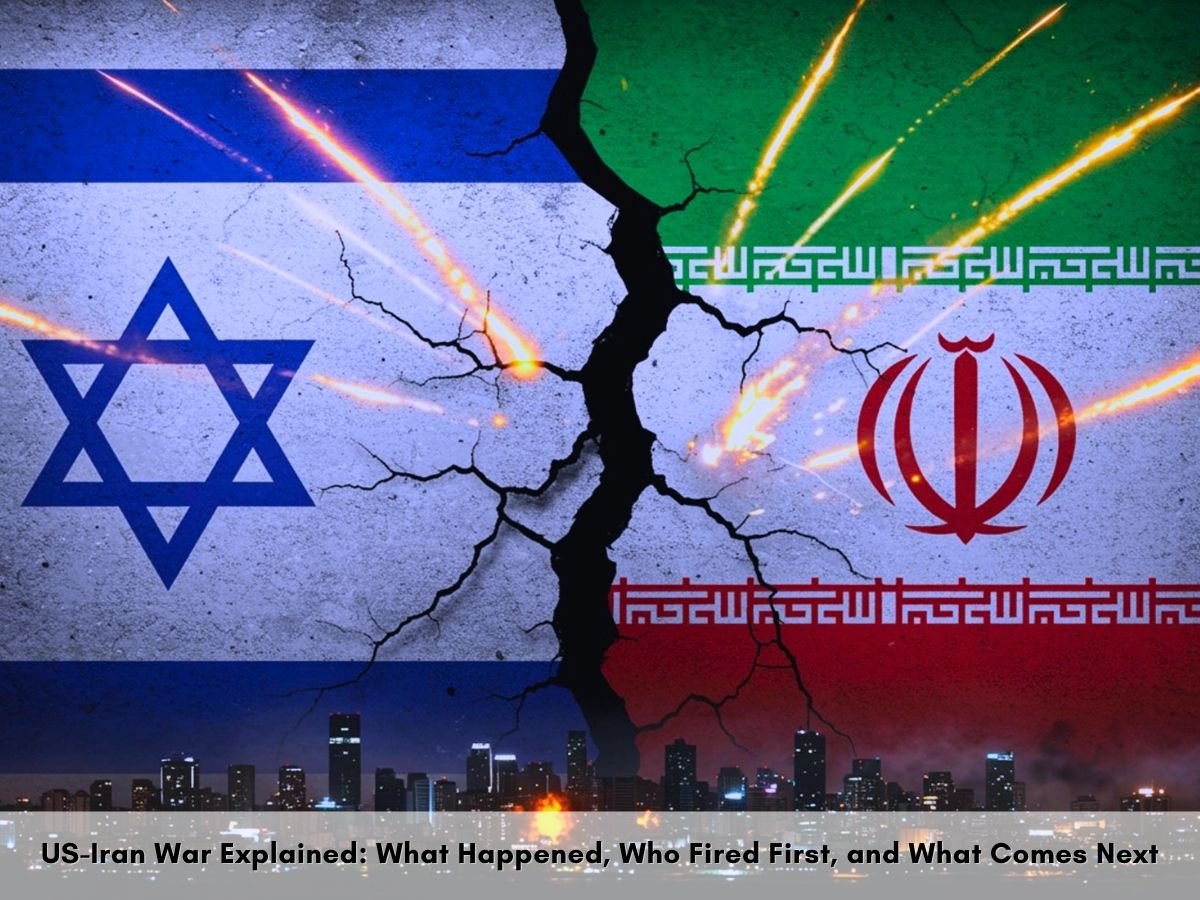
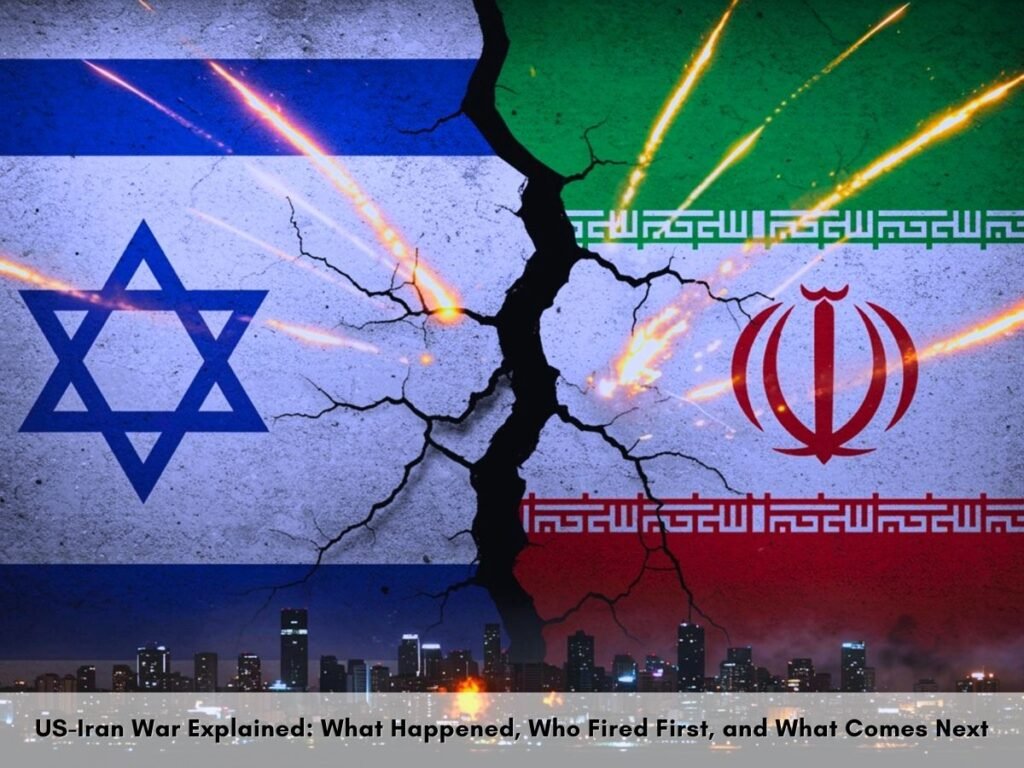
The Israel Iran war in 2026 has become one of the most critical global conflicts, impacting not only the Middle East but the entire world. What began as rising tensions has now escalated into a full-scale military confrontation involving missile strikes, air attacks, and global political involvement.
Countries like Israel and Iran are at the center of this conflict, but its effects are being felt worldwide—including in India through rising fuel prices and economic pressure.
In this blog, we’ll break down the latest updates, causes, and global impact of this ongoing war.
Table of Contents
What Started the Israel Iran War in 2026?
The Israel Iran war in 2026 officially escalated on 28 February 2026, when joint airstrikes by Israel and the United States targeted multiple locations in Iran. (Wikipedia)
These attacks triggered a strong response from Iran:
- Missile strikes on Israeli cities
- Drone attacks on military bases
- Retaliation across the Middle East
👉 This marked the beginning of a large-scale conflict that continues today.
Latest Updates (March 2026)
Here are the most recent developments in the Israel Iran war in 2026:
1. Missile Attacks Intensifying
- Iran has launched long-range missiles targeting Israeli cities
- Several civilians have been injured, exposing gaps in defense systems (The Washington Post)
2. War Expanding Regionally 🌍
- Israel is planning to take control of parts of southern Lebanon
- Groups like Hezbollah are getting involved
👉 This raises the risk of a full Middle East war (The Guardian)
3. Gulf Countries Under Threat
- Iranian strikes have also affected Gulf nations
- Countries have warned of serious regional security threats (Reuters)
4. Peace Talks Still Uncertain ☮️
- The United States has proposed a peace plan
- However, both sides have major disagreements
👉 War is still ongoing with no clear resolution (New York Post)
Impact on Oil and Fuel Prices
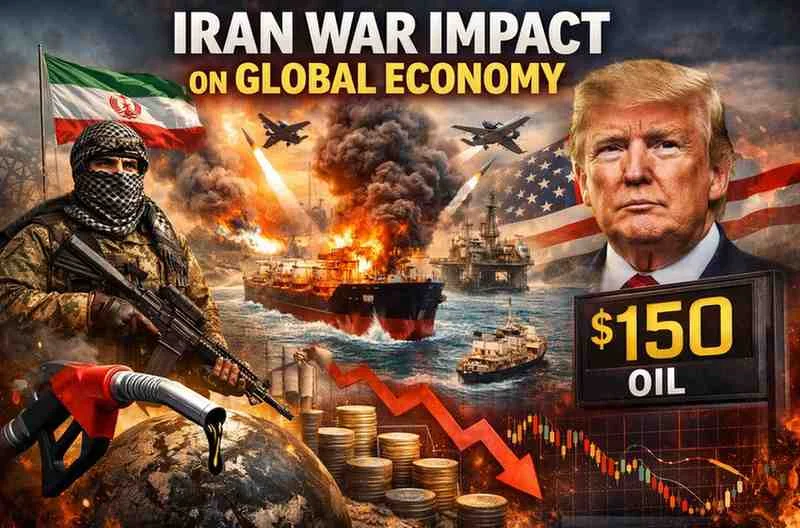
One of the biggest effects of the Israel Iran war in 2026 is on global oil markets.
- Oil supply routes are at risk
- Shipping costs have increased
- Energy markets are unstable
👉 This directly leads to:
- Rising petrol and diesel prices
- Inflation in many countries
For India, which imports over 80% of its oil, this impact is even more serious.
Strait of Hormuz: The Biggest Risk
A major concern in the Israel Iran war in 2026 is the Strait of Hormuz—a key route for global oil transport.
- Around 20% of the world’s oil passes through this route
- Any blockage or attack can cause a massive oil crisis
👉 If disrupted, fuel prices could rise sharply across the world.
Role of Global Powers
The involvement of major countries has made the situation more complex:
- The United States is supporting Israel
- Military deployments are increasing
- Diplomatic efforts are ongoing
👉 This increases the risk of the conflict turning into a global geopolitical crisis
Human and Economic Impact
The Israel Iran war in 2026 is not just about military actions—it has serious consequences:
- Thousands of casualties reported
- Damage to cities and infrastructure
- Rising global inflation
- Increased uncertainty in financial markets
👉 For common people, this means higher living costs and economic pressure.
What Could Happen Next?
The future of the Israel Iran war in 2026 depends on:
- Success of peace negotiations
- Level of international involvement
- Duration of the conflict
Possible scenarios include:
- Continued escalation
- Regional war expansion
- Temporary ceasefire
Conclusion
The Israel Iran war in 2026 is a major global crisis with far-reaching consequences. From military escalation to rising fuel prices, its impact is being felt across the world.
For countries like India, the effects are especially significant due to dependence on imported oil.
👉 Final takeaway:
This war is not just a regional conflict—it is shaping global economics, energy markets, and international relations in 2026.