




Airline safety and flight routes during war have become a major concern due to the ongoing Israel–Iran War. With rising tensions in the Middle East, travelers across the world are worried about flight safety, cancellations, and route changes.
However, despite the seriousness of the situation, the aviation industry is highly prepared to handle such crises. Airlines, governments, and global aviation authorities work together to ensure passenger safety at all times.
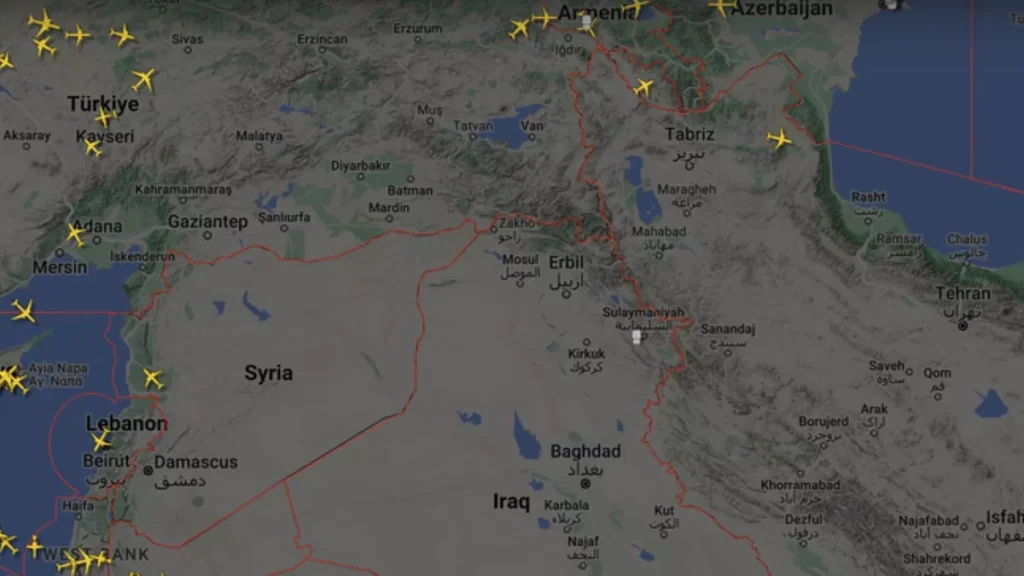
Table of Contents
🛡️ How Airline Safety Is Maintained During War
Even during conflicts, airline safety and flight routes during war are strictly controlled. Airlines rely on real-time intelligence, satellite tracking, and global aviation authorities to assess risks before operating any flight.
If a region becomes unsafe:
- Flights are immediately rerouted
- Airspace is restricted or closed
- Airlines suspend operations
For example, during the Israel–Iran conflict, multiple airlines suspended flights and avoided affected airspaces to ensure passenger safety.
👉 Simple logic: No airline will risk passengers, crew, or aircraft
🌍 Airspace Closures and Flight Disruptions
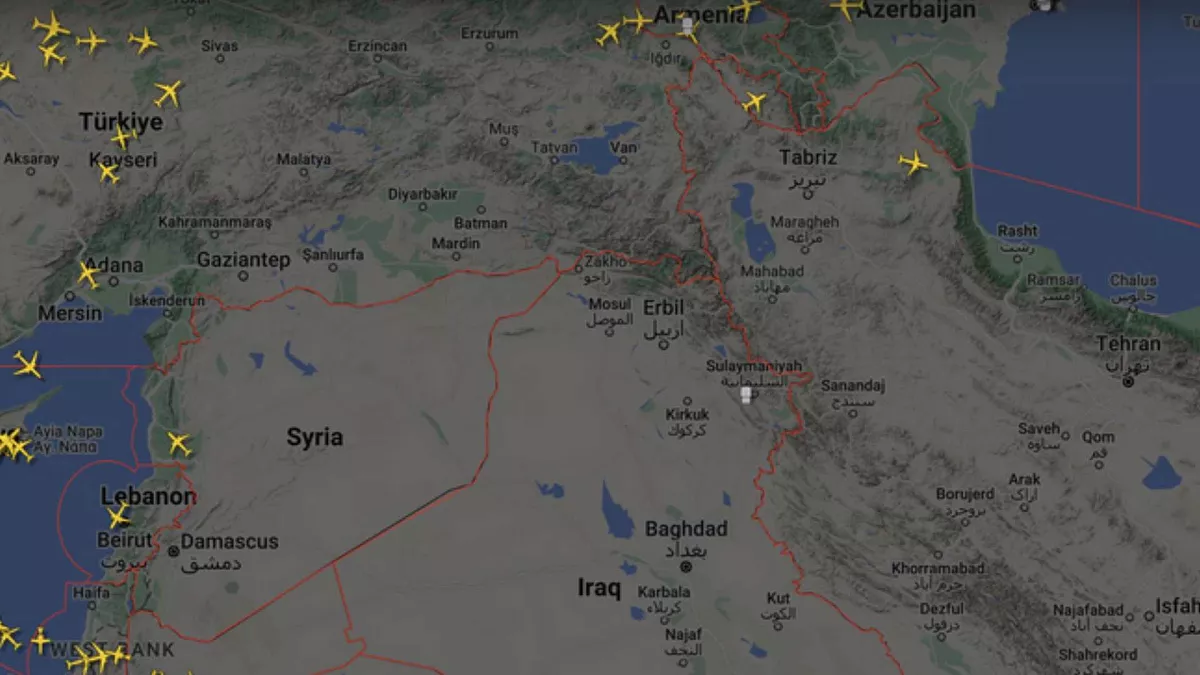
One of the biggest impacts of the Israel–Iran War is massive airspace closures. Countries like Iran, Israel, Iraq, and nearby regions have restricted or shut down their skies.
This has caused:
- Thousands of flight cancellations
- Emergency diversions mid-air
- Suspension of international routes
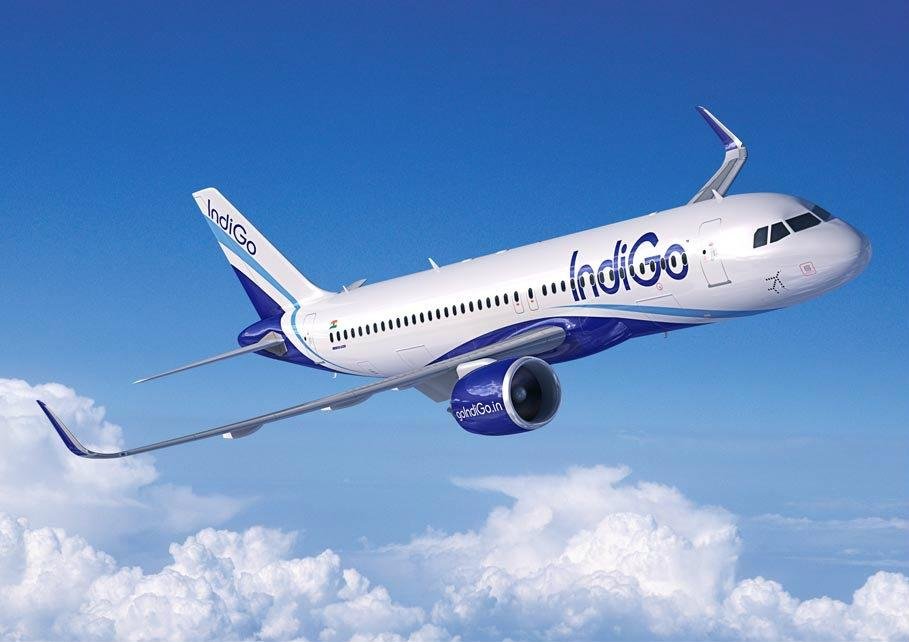
Indian airlines like Air India and IndiGo also faced disruptions, with flights being rerouted or cancelled due to safety concerns.
🔄 How Flight Routes Are Changing
During war, airlines don’t stop flying completely—they change routes.
Because of the Israel–Iran conflict:
- Flights between Asia and Europe are taking longer paths
- Aircraft avoid Middle Eastern conflict zones
- Alternative routes (north or south corridors) are used
These reroutes increase travel time but ensure safety. In fact, airlines already have backup routes planned for such situations.
👉 Result: Safe but longer journeys ✈️
🚫 Flight Restrictions & Limited Operations
Recent updates show that Israel has even restricted airport operations due to missile threats.

Israel’s El Al Airlines to operate at 5% of capacity after government limits traffic
Israel Further Restricts Outgoing Flights Due to Missile Concerns
Israel imposes further airport restrictions following weekend missile attacks

EasyJet bookings fall because of Iran war as boss warns of air fare rises
- Flights reduced to minimal capacity
- Only essential travel allowed
- Passenger limits per flight imposed
Airlines like El Al reduced operations drastically, while other carriers shifted flights to nearby countries like Jordan and Egypt.
👉 Basically, skies are not closed completely—but heavily controlled
💸 Impact on Ticket Prices and Travel Demand
The Israel–Iran war has also affected travel costs:
- Fuel prices increased due to global tension
- Airlines are using longer routes (more fuel consumption)
- Ticket prices are rising worldwide
Reports show that airlines are likely to increase fares due to rising fuel costs and route disruptions.
At the same time, travelers are avoiding nearby regions like Turkey, Cyprus, and Egypt due to safety concerns.
⚠️ Challenges Airlines Face During War
Modern warfare creates new aviation risks such as:
- Missile threats
- Drone activity
- GPS interference
Because of this, airlines constantly monitor conditions and adjust operations instantly. The Israel–Iran conflict has even created a “gap” in global airspace, forcing airlines into narrower flight paths.
✅ Is It Safe to Fly Right Now?
Yes — airline safety and flight routes during war are highly secure.
Airlines follow strict rules:
✔ Avoid conflict zones completely
✔ Cancel flights if risk increases
✔ Use safest possible routes
👉 If a flight is operating, it means it is considered safe
🧠 Tips for Travelers During Israel–Iran War
To travel safely during this situation:
- Avoid connecting flights through Middle East conflict zones
- Book flexible or refundable tickets
- Check airline updates regularly
- Buy travel insurance
- Expect delays or longer routes
✈️ Final Thoughts
The Israel–Iran War has significantly impacted global aviation, but it has not made flying unsafe. Instead, it has made the system more cautious and controlled.
Airline safety and flight routes during war are managed with advanced planning, real-time monitoring, and strict regulations. While travel may take longer and cost more, safety remains the top priority.
So if you’re planning to travel in 2026, stay informed, choose safe routes, and travel smart 🌍✨