




Air travel has become an important part of modern life, connecting people with cities, businesses, families, and holiday destinations. In India, IndiGo has established itself as one of the country’s leading passenger airlines by focusing on affordable fares, extensive connectivity, and a convenient travel experience.
Table of Contents
With its growing domestic and international network, this Airlines is increasingly expanding beyond its traditional Indian market and strengthening its position in global aviation. The airline’s approach combines accessible airfares with a large network and a focus on operational efficiency.
What Is IndiGo?
IndiGo is an Indian passenger airline that began operations in 2006. Its business model has traditionally focused on making air travel accessible while maintaining reliable operations and a straightforward passenger experience.
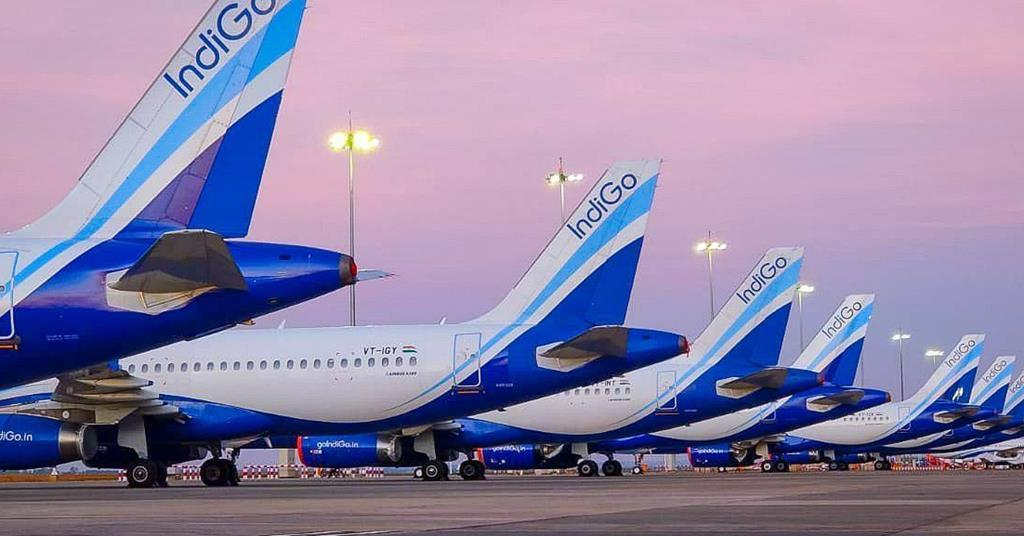
The airline currently operates more than 2,200 daily flights and connects over 130 destinations, including more than 40 international destinations, according to its official information. Its fleet has also grown to more than 400 aircraft.
This Airline simple approach is centered around affordable fares, punctual operations, and hassle-free service, making it a popular choice for both domestic and international travellers.
Why Do Travellers Choose IndiGo?
One of IndiGo’s biggest strengths is its focus on practical and affordable air travel. Instead of concentrating only on premium experiences, the airline aims to provide passengers with the essential services needed for a comfortable journey at competitive fares.
Travellers can also select additional services according to their requirements. These may include priority airport services, lounge access, travel assistance, and other optional services available during the booking process.
This flexible approach can be useful for passengers with different travel budgets and preferences.
Extensive Domestic Connectivity
India has a large and diverse geography, and connecting major cities with smaller regional destinations is an important part of the country’s aviation growth.
This airline has built a broad domestic network covering major business centre, tourist destinations, emerging cities, and regional airports. This connectivity makes it easier for passengers to plan trips without relying entirely on major metropolitan hubs.
The airline’s expanding domestic network also supports business travel, family visits, education, tourism, and regional economic activity.
IndiGo’s Growing International Network
This airline is no longer focused solely on domestic aviation. The airline has been expanding its international presence with new destinations and longer routes.
According to IndiGo’s 2026 information, the airline expanded its network to destinations across Europe, Central Asia, Africa, and the Middle East. Its international expansion has also included long-haul services using aircraft such as the Airbus A321XLR.
In 2025, this airline added 10 international destinations and 30 international routes. The airline also expanded long-haul connectivity to cities including Manchester, Amsterdam, London, and Copenhagen.
This international growth represents an important step in IndiGo’s ambition to become a stronger global airline.
Comfortable and Convenient Flying Experience
This airline travel proposition is built around simplicity and convenience. Passengers can manage bookings, check travel information, and access various services through the airline’s digital platforms.
The airline also provides additional services that can help passengers personalise their journey. Options such as priority check-in, anytime boarding, lounge services, and other add-ons allow travellers to choose services based on their individual needs.
For passengers who prefer a straightforward flying experience, this optional-service model can make the booking process more flexible.
Modern Aircraft Fleet
A modern fleet is important for an airline’s efficiency, passenger experience, and long-term growth. this airline has continued to expand its fleet with newer-generation aircraft.
The airline says that around 78% of its fleet is made up of new-generation aircraft. It also reports that investments in newer aircraft have helped reduce its CO₂ footprint by approximately 17.3% in FY25 compared with FY16.
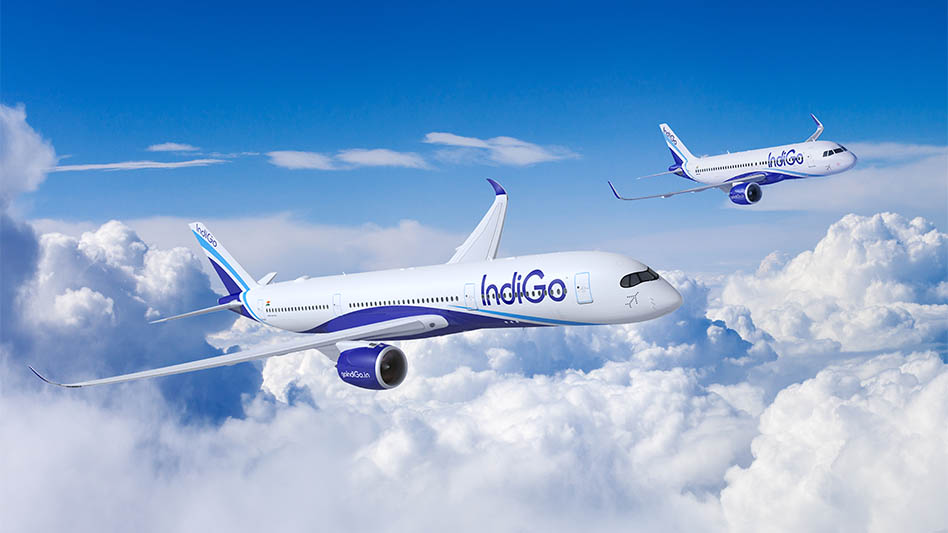
The use of aircraft such as the Airbus A321XLR is also helping IndiGo explore longer international routes and strengthen its global network.
IndiGo and Sustainable Aviation
Sustainability is becoming increasingly important across the aviation industry. It has introduced several initiatives aimed at making its operations more environmentally responsible.

Its efforts include using newer-generation aircraft, single-engine taxiing, electric ground vehicles, electronic flight bags, and water-conservation measures. These initiatives are part of the airline’s broader sustainability strategy.
Although aviation continues to face environmental challenges, investments in efficient aircraft and operational improvements can play a role in reducing the industry’s environmental impact.
Recognition and Achievements
IndiGo has received recognition for its contribution to aviation and connectivity.
At the Wings India 2026 awards, IndiGo was recognised as the Best Aviation Service Provider. The airline also reports that it was named Best Airline in India & South Asia at the Skytrax World Airline Awards 2025.
These recognitions highlight the airline’s growing presence in both the Indian and international aviation markets.
The Future of IndiGo
IndiGo’s future growth is closely connected with fleet expansion, international routes, digital innovation, and stronger global connectivity.
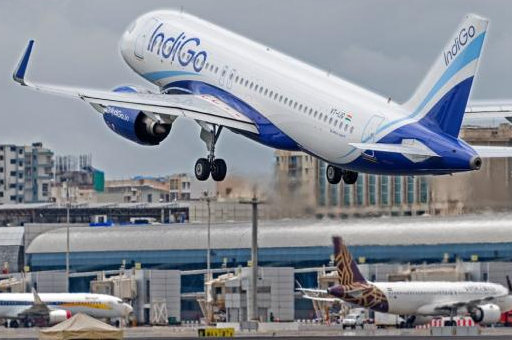
The introduction of longer-range aircraft gives the airline additional opportunities to connect India directly with international markets. At the same time, continued domestic expansion can help IndiGo serve passengers in more cities across the country.
Recent announcements also demonstrate the airline’s continuing international expansion. For example, IndiGo announced a daily direct Mumbai–Hanoi service beginning October 25, 2026, further expanding its network in Southeast Asia.
As the airline continues to grow, its challenge will be to maintain service quality and operational reliability while managing a larger and increasingly international network.
Final Thoughts
IndiGo has evolved from an Indian low-cost carrier into a major airline with an increasingly global footprint. Its focus on affordable fares, broad connectivity, modern aircraft, and convenient travel services has helped it become an important part of India’s aviation landscape.
With continued investment in new aircraft and international routes, IndiGo is positioning itself for another phase of growth. For travellers looking for practical air travel options across India and an expanding selection of international destinations, IndiGo remains a significant airline to consider.